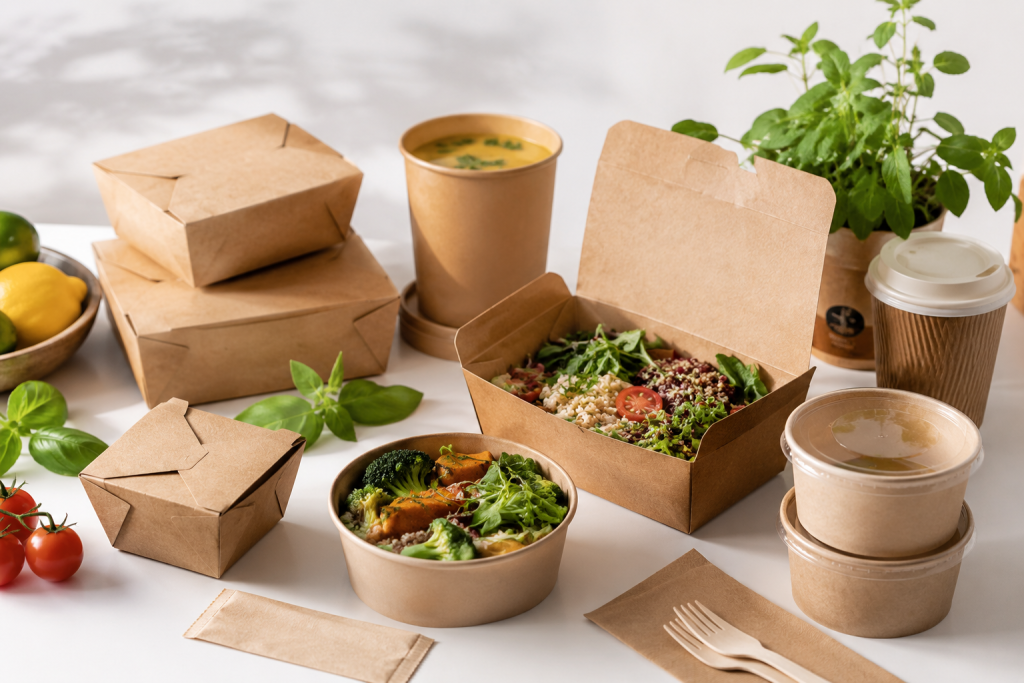
Customers today are paying attention to more than just the food on their plate — they’re watching what it comes in. For restaurants, switching to eco-friendly takeout packaging is no longer just a feel-good decision. It’s a business strategy.
Biodegradable boxes, compostable containers, and kraft paper bags are becoming standard in the food service industry. And the restaurants that make the switch early are seeing the benefits: stronger brand perception, customer loyalty, and in many regions, compliance with local packaging regulations.
In this guide, we’ll walk through why sustainable packaging matters, what options are available, and how to make the transition without disrupting your operations.
Why Eco-Friendly Packaging Matters for Your Restaurant
Customer Expectations Have Changed
A growing percentage of diners — especially millennials and Gen Z — actively prefer businesses that demonstrate environmental responsibility. Sustainable packaging sends a clear message: your restaurant cares about more than profit.
Regulations Are Tightening
Cities and states across the U.S. are banning single-use plastics and styrofoam. Making the switch to compliant packaging now avoids disruption and potential fines later. [ADD: specific city/state regulation examples relevant to your market]
Brand Differentiation
Eco-friendly packaging is a visible brand statement. Every takeout bag, every box that leaves your kitchen is an opportunity to reinforce your values — especially when it’s branded with your logo.
Benefits of Eco-Friendly Takeout Packaging
- Reduced environmental impact — compostable and biodegradable materials break down naturally
- Improved brand perception — customers associate sustainability with quality and care
- Regulatory compliance — stay ahead of local plastic and foam bans
- Customer loyalty — eco-conscious consumers are more likely to return and recommend
- Marketing opportunity — sustainability is a story worth telling on social media and menus
Types of Eco-Friendly Packaging Options
Kraft Paper Boxes
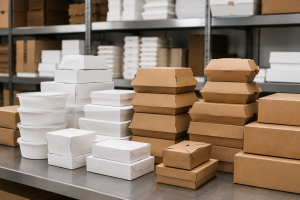
Unbleached kraft paper is one of the most popular sustainable packaging materials. It’s sturdy, grease-resistant when coated, and has a natural look that communicates quality. Ideal for burgers, sandwiches, and pastries.
Compostable Containers
Made from plant-based materials like sugarcane bagasse or PLA (polylactic acid), these containers are certified compostable and perform similarly to traditional plastic or foam. Best for hot foods, soups, and entrees.
Biodegradable Takeout Bags
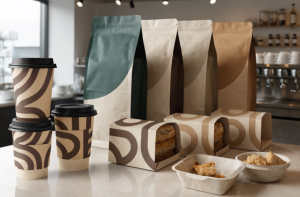
Paper bags with handles are a direct replacement for plastic carry bags. Available in various sizes and fully customizable with your restaurant’s branding.
Recycled Content Packaging
Packaging made from post-consumer recycled content reduces demand for virgin materials. Look for products with verified recycled content percentages.
[ADD: product photos from CTP Boxes catalog here]
Materials to Look For
Material | Best For | Notes |
|---|---|---|
Sugarcane Bagasse | Hot foods, entrees | Microwave safe, compostable |
Kraft Paper | Sandwiches, pastries | Natural look, customizable |
PLA (corn-based plastic) | Cold drinks, salads | Compostable, not recyclable |
Recycled Paperboard | Bakery, dry foods | Good print surface for branding |
Customization: Make It Yours
Eco-friendly doesn’t mean generic. CTP Boxes offers custom printing on sustainable packaging, so your brand stays front and center even as you go green.
[ADD: examples of branded eco packaging from CTP catalog]
Options include:
- Custom logo printing
- Brand colors and messaging
- Size options from individual to catering quantities
- Wholesale pricing for bulk orders
Industries and Businesses That Benefit Most
- Full-service restaurants transitioning from foam containers
- Fast casual and QSR operations looking to comply with local bans
- Ghost kitchens and delivery-first concepts where packaging is the primary brand touchpoint
- Bakeries and cafes seeking a natural, artisan aesthetic
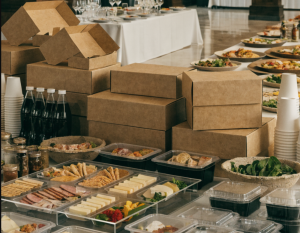
- Catering companies that need large-volume, presentation-ready packaging
How to Make the Transition
- Audit your current packaging — identify which items are plastic or foam
- Find sustainable alternatives — match size, heat resistance, and function
- Order samples before committing to bulk quantities
- Train your staff on proper handling and disposal
- Communicate the change to customers — on your menu, your website, and social media